Key Takeaways
- Use a representative gas analysis rather than a single methane percentage
- Record pressure, temperature and composition variability
- Define preprocessing from the engine inlet limits and operating objective
Fuel gas can vary in heating value, moisture, particles, sulfur compounds, siloxanes and other contaminants. The generator and treatment system must be reviewed against a representative operating envelope, not an isolated laboratory result.
Inputs to prepare
- Sampling location, date, method, laboratory and expected seasonal or process variation
- Methane, carbon dioxide, oxygen, nitrogen, hydrogen, hydrogen sulfide and other relevant components
- Lower heating value, moisture or dew point, particles, siloxanes and oil carryover where applicable
- Supply pressure, temperature, flow range, compressor or blower behavior and available drainage
Decisions to confirm
- Accepted engine-inlet fuel envelope
- Filtration, dehydration, desulfurization, pressure regulation and temperature-control scope
- Online composition or heating-value monitoring and alarm strategy
- Bypass, isolation, vent, condensate and hazardous-area arrangements
- Sampling, media replacement, waste handling and operating responsibility
Review before release
- Compare the design envelope with all available analyses
- Confirm pressure and flow during starting and peak demand
- Review corrosion, condensation and material compatibility
- Agree shutdown thresholds and the response to off-specification gas
Explore connected content
Products and Solutions in This Guide
Related products 48
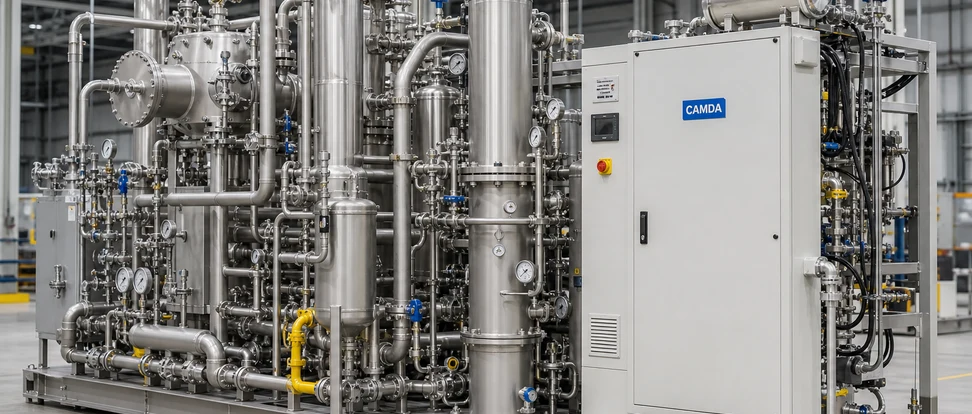
- FGT200 Fuel Gas Treatment Skid A project-engineered fuel-gas treatment skid that conditions inlet gas before a generator, with the process selected from gas analysis and operating requirements.
- CG6000 Gas Generator High-output gas generator platform for utility and independent power projects.
- CG2000 Gas Generator Gas generator platform for distributed energy and industrial power.
- CG800 Gas Generator Compact gas generation package for industrial and renewable-gas applications.
View 44 more related products
- CG600 Gas Generator Gas generator set for smaller distributed-energy installations.
- CG132 Gas Generator Gas generator set for compact power and waste-to-energy applications.
- CG700N Natural Gas Generator Set Continuous-duty natural-gas generator set for industrial users.
- CG400N Natural Gas Generator Set Natural-gas generator set for commercial and industrial energy projects.
- CG500N Natural Gas Generator Set Gas generator platform for resilient distributed power systems.
- CG1500N Natural Gas Generator Set High-capacity natural-gas generator platform for industrial facilities.
- CG2500N Natural Gas Generator Set Multi-megawatt gas generator system for distributed power plants.
- CG4000N Natural Gas Generator Set Multi-megawatt natural-gas generator platform for utility-scale projects.
- CG200N Natural Gas Generator Set Natural-gas generator set for distributed energy and commercial facilities.
- CAMDA J316GS Gas Generator Set CAMDA J316GS Gas Generator Set is retained as one product page with 2 brochure-published fuel and rating configurations. Use the configuration table to compare published data, then confirm fuel quality, site conditions and balance-of-plant scope with CAMDA.
- CAMDA J412GS Gas Generator Set CAMDA J412GS Gas Generator Set is retained as one product page with 2 brochure-published fuel and rating configurations. Use the configuration table to compare published data, then confirm fuel quality, site conditions and balance-of-plant scope with CAMDA.
- CAMDA KDGC1100-G Gas Generator Set CAMDA KDGC1100-G Gas Generator Set is retained as one product page with 1 brochure-published fuel and rating configuration. Use the configuration table to compare published data, then confirm fuel quality, site conditions and balance-of-plant scope with CAMDA.
- KDGC1200-G Cummins Gas Generator Set KDGC1200-G Cummins Gas Generator Set is retained as one product page with 1 brochure-published fuel and rating configuration. Use the configuration table to compare published data, then confirm fuel quality, site conditions and balance-of-plant scope with CAMDA.
- CAMDA J624GS Gas Generator Set CAMDA J624GS Gas Generator Set is retained as one product page with 1 brochure-published fuel and rating configuration. Use the configuration table to compare published data, then confirm fuel quality, site conditions and balance-of-plant scope with CAMDA.
- CAMDA KDGC1000-G Gas Generator Set CAMDA KDGC1000-G Gas Generator Set is retained as one product page with 1 brochure-published fuel and rating configuration. Use the configuration table to compare published data, then confirm fuel quality, site conditions and balance-of-plant scope with CAMDA.
- CAMDA J320GS Gas Generator Set CAMDA J320GS Gas Generator Set is retained as one product page with 2 brochure-published fuel and rating configurations. Use the configuration table to compare published data, then confirm fuel quality, site conditions and balance-of-plant scope with CAMDA.
- CAMDA KDGH-50G Gas Generator Set CAMDA KDGH-50G Gas Generator Set is retained as one product page with 1 brochure-published fuel and rating configuration. Use the configuration table to compare published data, then confirm fuel quality, site conditions and balance-of-plant scope with CAMDA.
- CAMDA KDGC700-G Gas Generator Set CAMDA KDGC700-G Gas Generator Set is retained as one product page with 1 brochure-published fuel and rating configuration. Use the configuration table to compare published data, then confirm fuel quality, site conditions and balance-of-plant scope with CAMDA.
- CAMDA KDGC800-G Gas Generator Set CAMDA KDGC800-G Gas Generator Set is retained as one product page with 1 brochure-published fuel and rating configuration. Use the configuration table to compare published data, then confirm fuel quality, site conditions and balance-of-plant scope with CAMDA.
- CAMDA KDGH-40G Gas Generator Set CAMDA KDGH-40G Gas Generator Set is retained as one product page with 1 brochure-published fuel and rating configuration. Use the configuration table to compare published data, then confirm fuel quality, site conditions and balance-of-plant scope with CAMDA.
- CAMDA KDGH-150G Gas Generator Set CAMDA KDGH-150G Gas Generator Set is retained as one product page with 1 brochure-published fuel and rating configuration. Use the configuration table to compare published data, then confirm fuel quality, site conditions and balance-of-plant scope with CAMDA.
- CAMDA KDGH-250G Gas Generator Set CAMDA KDGH-250G Gas Generator Set is retained as one product page with 1 brochure-published fuel and rating configuration. Use the configuration table to compare published data, then confirm fuel quality, site conditions and balance-of-plant scope with CAMDA.
- CAMDA J616GS Gas Generator Set CAMDA J616GS Gas Generator Set is retained as one product page with 2 brochure-published fuel and rating configurations. Use the configuration table to compare published data, then confirm fuel quality, site conditions and balance-of-plant scope with CAMDA.
- CAMDA KDGH-80G Gas Generator Set CAMDA KDGH-80G Gas Generator Set is retained as one product page with 1 brochure-published fuel and rating configuration. Use the configuration table to compare published data, then confirm fuel quality, site conditions and balance-of-plant scope with CAMDA.
- CAMDA KDGC300-G Gas Generator Set CAMDA KDGC300-G Gas Generator Set is retained as one product page with 1 brochure-published fuel and rating configuration. Use the configuration table to compare published data, then confirm fuel quality, site conditions and balance-of-plant scope with CAMDA.
- CAMDA J612GS Gas Generator Set CAMDA J612GS Gas Generator Set is retained as one product page with 2 brochure-published fuel and rating configurations. Use the configuration table to compare published data, then confirm fuel quality, site conditions and balance-of-plant scope with CAMDA.
- CAMDA KDGC350-G Gas Generator Set CAMDA KDGC350-G Gas Generator Set is retained as one product page with 1 brochure-published fuel and rating configuration. Use the configuration table to compare published data, then confirm fuel quality, site conditions and balance-of-plant scope with CAMDA.
- CAMDA J620GS Gas Generator Set CAMDA J620GS Gas Generator Set is retained as one product page with 2 brochure-published fuel and rating configurations. Use the configuration table to compare published data, then confirm fuel quality, site conditions and balance-of-plant scope with CAMDA.
- CAMDA J312GS Gas Generator Set CAMDA J312GS Gas Generator Set is retained as one product page with 2 brochure-published fuel and rating configurations. Use the configuration table to compare published data, then confirm fuel quality, site conditions and balance-of-plant scope with CAMDA.
- CAMDA KDGH-200G Gas Generator Set CAMDA KDGH-200G Gas Generator Set is retained as one product page with 1 brochure-published fuel and rating configuration. Use the configuration table to compare published data, then confirm fuel quality, site conditions and balance-of-plant scope with CAMDA.
- CAMDA KDGC500-G Gas Generator Set CAMDA KDGC500-G Gas Generator Set is retained as one product page with 1 brochure-published fuel and rating configuration. Use the configuration table to compare published data, then confirm fuel quality, site conditions and balance-of-plant scope with CAMDA.
- CAMDA KDGC900-G Gas Generator Set CAMDA KDGC900-G Gas Generator Set is retained as one product page with 1 brochure-published fuel and rating configuration. Use the configuration table to compare published data, then confirm fuel quality, site conditions and balance-of-plant scope with CAMDA.
- CAMDA J420GS Gas Generator Set CAMDA J420GS Gas Generator Set is retained as one product page with 2 brochure-published fuel and rating configurations. Use the configuration table to compare published data, then confirm fuel quality, site conditions and balance-of-plant scope with CAMDA.
- CAMDA KDGH-120G Gas Generator Set CAMDA KDGH-120G Gas Generator Set is retained as one product page with 1 brochure-published fuel and rating configuration. Use the configuration table to compare published data, then confirm fuel quality, site conditions and balance-of-plant scope with CAMDA.
- CAMDA J416GS Gas Generator Set CAMDA J416GS Gas Generator Set is retained as one product page with 2 brochure-published fuel and rating configurations. Use the configuration table to compare published data, then confirm fuel quality, site conditions and balance-of-plant scope with CAMDA.
- CAMDA KDGC600-G Gas Generator Set CAMDA KDGC600-G Gas Generator Set is retained as one product page with 1 brochure-published fuel and rating configuration. Use the configuration table to compare published data, then confirm fuel quality, site conditions and balance-of-plant scope with CAMDA.
- CAMDA KDGC400-G Gas Generator Set CAMDA KDGC400-G Gas Generator Set is retained as one product page with 1 brochure-published fuel and rating configuration. Use the configuration table to compare published data, then confirm fuel quality, site conditions and balance-of-plant scope with CAMDA.
- CAMDA KDGH-120GC Gas Generator Set CAMDA KDGH-120GC Gas Generator Set is retained as one product page with 1 brochure-published fuel and rating configuration. Use the configuration table to compare published data, then confirm fuel quality, site conditions and balance-of-plant scope with CAMDA.
- CAMDA J208GS Gas Generator Set CAMDA J208GS Gas Generator Set is retained as one product page with 2 brochure-published fuel and rating configurations. Use the configuration table to compare published data, then confirm fuel quality, site conditions and balance-of-plant scope with CAMDA.
- CG300N 300 kW Natural Gas Generator Selection Selection page for the CAMDA brochure-published KDGC300-G natural-gas configuration rated at 300 kW. Confirm gas quality, project duty, voltage, heat-recovery scope and final equipment code in the quotation.
- CG900N 900 kW Natural Gas Generator Selection Selection page for the CAMDA brochure-published KDGC900-G natural-gas configuration rated at 900 kW. Confirm gas quality, project duty, voltage, heat-recovery scope and final equipment code in the quotation.
- CG1200N 1200 kW Natural Gas Generator Selection Selection page for the CAMDA brochure-published KDGC1200-G natural-gas configuration rated at 1200 kW. Confirm gas quality, project duty, voltage, heat-recovery scope and final equipment code in the quotation.
- CG170 Gas Generator Gas generator set for distributed power and energy-recovery applications.
- CG1000 Gas Generator Gas generator set for distributed generation and heat-recovery projects.
Related solutions 1
Related industries 2
Continue your review
Related Technical Material
- Gas Generator System Datasheets CAMDA-GAS-SYSTEM-DATASHEETS
- Auxiliary Systems & Environmental Engineering Guide CAMDA-AUXILIARY-ENGINEERING-GUIDE
- Planning a Gas Power Generation Project Planning Guide
- Biogas Purification and Fuel Preprocessing Product Guide
- CAMDA Lifecycle Service Overview Service Guide
About the Author CAMDA Technical Team
Technical Review CAMDA Technical Team