Key Takeaways
- State the limit together with reference oxygen and test method
- Brochure figures are not universal project guarantees
- Retain engine, fuel, load and instrument conditions with every result
Technical guide introduction
An emissions number has meaning only with its pollutant, units, reference oxygen, dry/wet basis, temperature and pressure basis, test method, engine condition, fuel and stabilized operating point.
Technical planning workflow
Six-Step Project Guide
Step 1
State the limit together with reference oxygen and test method
An emissions number has meaning only with its pollutant, units, reference oxygen, dry/wet basis, temperature and pressure basis, test method, engine condition, fuel and stabilized operating point.| Input to confirm | Guide context |
|---|---|
| State the limit together with reference oxygen and test method | Planning Guide |
| Brochure figures are not universal project guarantees | Project Planning |
| Retain engine, fuel, load and instrument conditions with every result | 12 minutes |
Step 2
Brochure figures are not universal project guarantees
The brochure cites NOx examples of 75 mg/Nm3 and a stricter 30 mg/Nm3 at 5% O2, with ammonia slip no more than 2.5 mg/Nm3. These are source references and require project-specific confirmation.Step 3
Retain engine, fuel, load and instrument conditions with every result
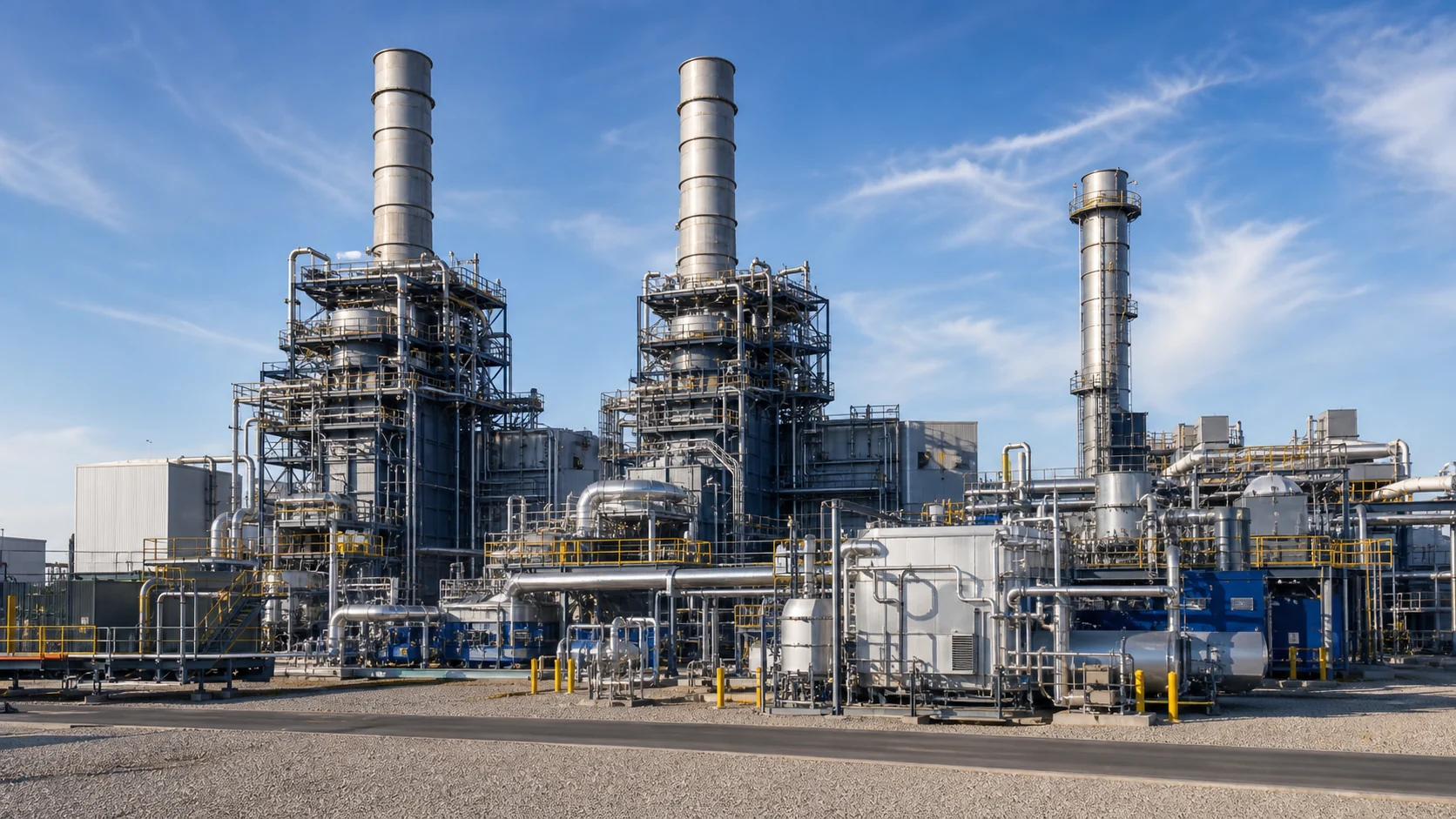
How to define limits, reference conditions, sampling, commissioning evidence and lifecycle records for exhaust and SCR projects.State the limit together with reference oxygen and test method
The brochure cites NOx examples of 75 mg/Nm3 and a stricter 30 mg/Nm3 at 5% O2, with ammonia slip no more than 2.5 mg/Nm3. These are source references and require project-specific confirmation.
Brochure figures are not universal project guarantees
How to define limits, reference conditions, sampling, commissioning evidence and lifecycle records for exhaust and SCR projects.
Retain engine, fuel, load and instrument conditions with every result
Planning guidance for exhaust treatment, muffling, vibration isolation, ventilation, room acoustics and fuel-system interfaces.
Step 4
Applicable regulation, permit condition, pollutant, limit and reporting authority
Planning guidance for exhaust treatment, muffling, vibration isolation, ventilation, room acoustics and fuel-system interfaces.| Review resource | Format | Knowledge area | Reading time |
|---|---|---|---|
| Diesel Exhaust and Engine-Room Noise Engineering | Planning Guide | Project Planning | 11 min |
| SCR Denitration Project Planning | Planning Guide | Project Planning | 11 min |
| Installation Inspection and Handover Record | Service Guide | Service Support | 11 min |
Step 5
Engine model, rating, fuel, load range, annual hours and start/low-load profile
How to define engine-out emissions, exhaust conditions, reagent, controls, catalyst and test basis for a diesel-generator SCR system.Step 6
Engine-out concentration, exhaust flow, temperature, oxygen and particulate loading
A structured review of civil, mechanical, cooling, fuel, exhaust, electrical and control interfaces before commissioning.- Environmental Systems Technical Reference CAMDA-ENVIRONMENTAL-SYSTEMS-REFERENCE
- Diesel Exhaust and Engine-Room Noise Engineering Planning Guide
- SCR Denitration Project Planning Planning Guide
Explore connected content
Products and Solutions in This Guide
Related products 2
- Diesel Exhaust & Engine-Room Noise Engineering An integrated engineering scope for exhaust purification, muffling, vibration isolation, fuel interfaces and engine-room acoustic treatment.
- SCR Denitration System A modular selective catalytic reduction system with reactor, catalyst, reagent dosing, controls, monitoring and project-defined emissions verification.
Related solutions 1
Related industries 4
- Data Centers Critical standby and prime-power systems designed around availability, redundancy and integration requirements.
- Manufacturing Reliable power systems for process continuity, peak support and resilient industrial operations.
- Utilities & Independent Power Multi-unit power plants, grid-parallel controls and lifecycle service for utility-scale duties.
- Waste to Energy Gas generation systems that convert landfill, sewage and organic waste gases into useful energy.
Continue your review