Key Takeaways
- Define emissions and acoustic limits with their test basis
- Coordinate airflow, exhaust back pressure and sound treatment
- Preserve maintenance and safety access in the room design
Technical guide introduction
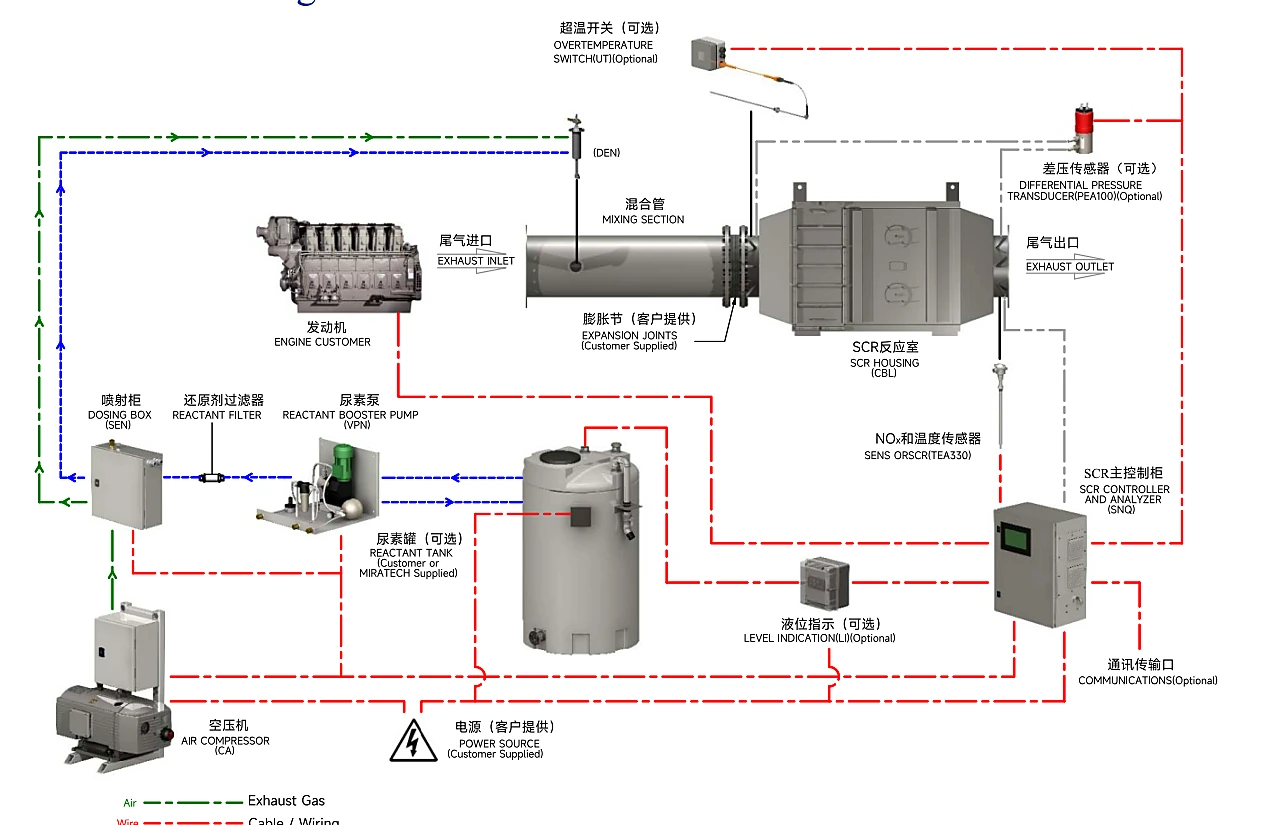
CAMDA materials present diesel exhaust treatment and engine-room noise control as an integrated engineering scope. The generator, room, ventilation, exhaust route, silencer, treatment equipment, vibration isolation and fuel system interact.
Technical planning workflow
Six-Step Project Guide
Step 1
Define emissions and acoustic limits with their test basis
CAMDA materials present diesel exhaust treatment and engine-room noise control as an integrated engineering scope. The generator, room, ventilation, exhaust route, silencer, treatment equipment, vibration isolation and fuel system interact.| Input to confirm | Guide context |
|---|---|
| Define emissions and acoustic limits with their test basis | Planning Guide |
| Coordinate airflow, exhaust back pressure and sound treatment | Project Planning |
| Preserve maintenance and safety access in the room design | 11 minutes |
Step 2
Coordinate airflow, exhaust back pressure and sound treatment
Compliance depends on the complete project design, installation, fuel and test condition. Final guarantees are stated in the approved proposal.Step 3
Preserve maintenance and safety access in the room design
Planning guidance for exhaust treatment, muffling, vibration isolation, ventilation, room acoustics and fuel-system interfaces.Define emissions and acoustic limits with their test basis
Compliance depends on the complete project design, installation, fuel and test condition. Final guarantees are stated in the approved proposal.
Coordinate airflow, exhaust back pressure and sound treatment
Planning guidance for exhaust treatment, muffling, vibration isolation, ventilation, room acoustics and fuel-system interfaces.
Preserve maintenance and safety access in the room design
A structured comparison of diesel, gas and integrated generator systems based on duty, fuel, load behavior, site constraints and lifecycle needs.
Step 4
Generator model, operating duty, exhaust flow, temperature, allowable back pressure and heat rejection
A structured comparison of diesel, gas and integrated generator systems based on duty, fuel, load behavior, site constraints and lifecycle needs.| Review resource | Format | Knowledge area | Reading time |
|---|---|---|---|
| Generator Selection: Gas, Diesel and Integrated Systems | Product Guide | Products | 10 min |
| Preventive Maintenance Planning | Service Guide | Service Support | 10 min |
| Emissions Evidence and Compliance Planning | Planning Guide | Project Planning | 12 min |
Step 5
Room dimensions, equipment positions, openings, duct routes, sensitive receptors and maintenance paths
How operating hours, calendar time, environment, fuel quality, starts and condition evidence shape a practical generator maintenance plan.Step 6
Applicable emissions and acoustic limits, measurement locations, load condition and local permit basis
How to define limits, reference conditions, sampling, commissioning evidence and lifecycle records for exhaust and SCR projects.- Auxiliary Systems & Environmental Engineering Guide CAMDA-AUXILIARY-ENGINEERING-GUIDE
- Environmental Systems Technical Reference CAMDA-ENVIRONMENTAL-SYSTEMS-REFERENCE
- Generator Selection: Gas, Diesel and Integrated Systems Product Guide
Explore connected content
Products and Solutions in This Guide
Related products 3
- Diesel Exhaust & Engine-Room Noise Engineering An integrated engineering scope for exhaust purification, muffling, vibration isolation, fuel interfaces and engine-room acoustic treatment.
- C275D5 Diesel Generator Diesel generator set configured for standby and prime-power duties.
- CD2000 Diesel Generator High-capacity diesel generator set for critical and industrial standby power.
Related solutions 2
Related industries 2
Continue your review
Related Technical Material
- Auxiliary Systems & Environmental Engineering Guide CAMDA-AUXILIARY-ENGINEERING-GUIDE
- Environmental Systems Technical Reference CAMDA-ENVIRONMENTAL-SYSTEMS-REFERENCE
- Generator Selection: Gas, Diesel and Integrated Systems Product Guide
- Preventive Maintenance Planning Service Guide
- Emissions Evidence and Compliance Planning Planning Guide