Key Takeaways
- Specify the acoustic measurement basis, not only a dB number
- Balance airflow and heat rejection with sound attenuation
- Confirm access, dimensions and interfaces around the selected generator
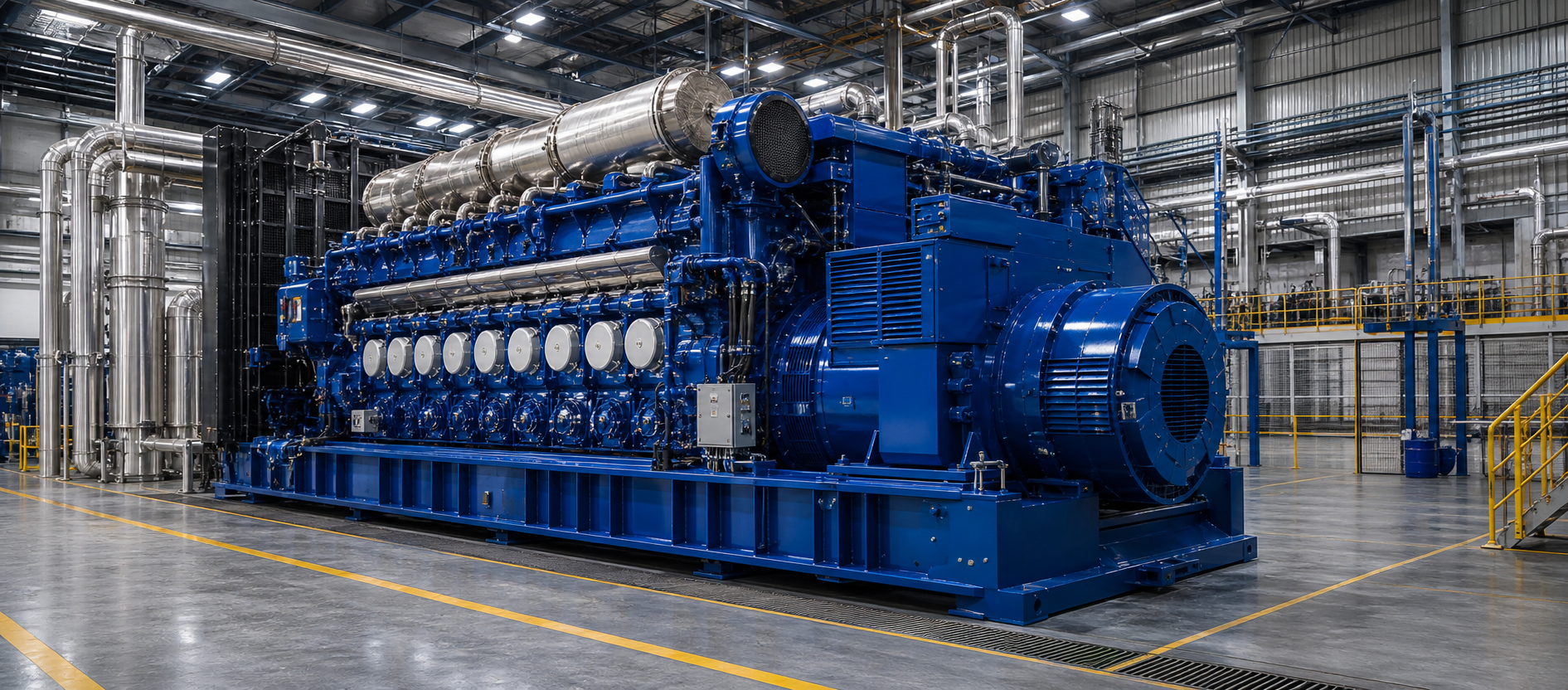
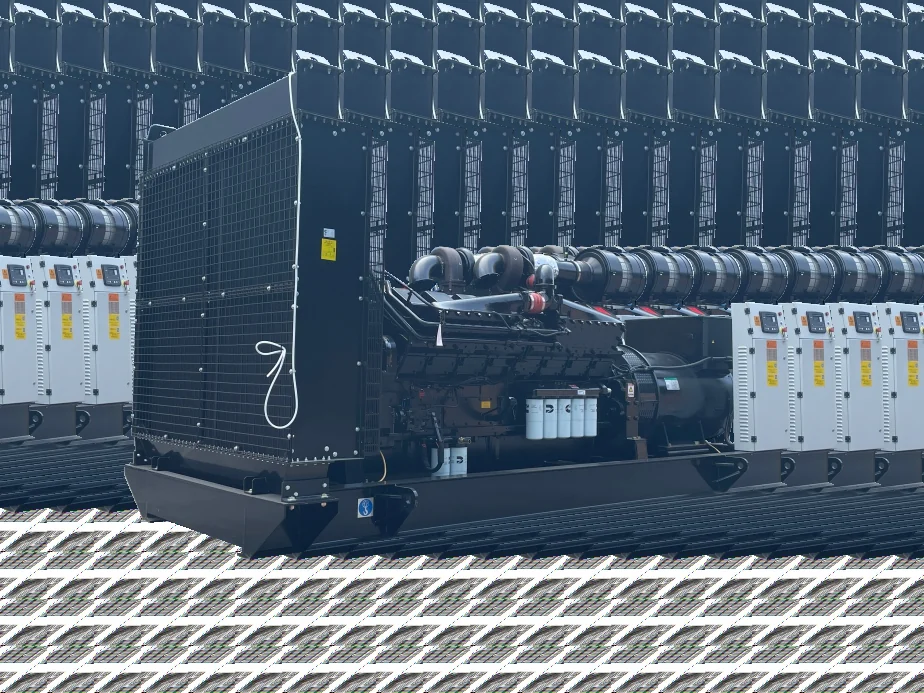
The CAMDA brochure presents silent packages as an engineered enclosure around a selected generator set. Construction, airflow, sound attenuation, vibration, service access, fuel and exhaust interfaces are reviewed together.
Inputs to prepare
- Selected generator, duty, heat rejection, radiator or remote-cooling arrangement
- Required acoustic limit, distance, load condition, background noise and measurement method
- Ambient temperature, altitude, weather, corrosion exposure, wind and precipitation
- Available footprint, transport limits, lifting route, service clearances and discharge direction
Decisions to confirm
- Standard container or project-specific enclosure dimensions
- Air intake and discharge path, recirculation control and ventilation pressure loss
- Muffler, lining, barriers, seals and vibration-isolation arrangement
- Built-in or external fuel tank, drains, emergency stop and fire-safety interfaces
- Door layout, observation window and routine-maintenance access
Review before release
- Confirm the acoustic guarantee and test condition in the proposal
- Check ventilation against generator heat rejection at the site design point
- Review transport, lifting, foundation and maintenance removal paths
- Verify weather sealing without blocking required airflow or emergency access
Explore connected content
Products and Solutions in This Guide
Related products 1
Related solutions 1
Related industries 2
Continue your review
Related Technical Material
About the Author CAMDA Technical Team
Technical Review CAMDA Technical Team