Key Takeaways
- Translate the resilience target into an electrical operating architecture
- Model UPS, cooling and motor load steps
- Design testing and maintenance access into the system from the start
A data-center generator plant is defined by the required recovery behavior and maintainability as much as by installed capacity. Utility failure, partial failure, maintenance and black-building scenarios should all be represented.
Inputs to prepare
- Critical-load schedule, UPS topology, cooling loads, starting sequence and phased expansion plan
- Tier or owner resilience objective, permitted interruption, reserve and concurrent-maintenance requirements
- Utility sources, switchgear, ATS or paralleling arrangement, protection and load-shedding priorities
- Fuel autonomy, replenishment plan, ambient, altitude, acoustic and emissions constraints
Decisions to confirm
- Generator count and N, N+1 or other reserve architecture
- Largest load step, start priority, load acceptance and recovery timing
- ATS, synchronization, bus, neutral, earthing and remote-monitoring architecture
- Fuel storage, transfer, polishing and emergency operating procedures
- Test load, witness points, maintenance isolation and future expansion
Review before release
- Simulate utility failure and staged load restoration
- Test controller, ATS, paralleling and load-shedding sequences
- Verify fuel autonomy against realistic usable volume and operating load
- Demonstrate maintenance and degraded-mode operation without hidden single points
Explore connected content
Products and Solutions in This Guide
Related products 5
- C275D5 Diesel Generator Diesel generator set configured for standby and prime-power duties.
- CD2000 Diesel Generator High-capacity diesel generator set for critical and industrial standby power.
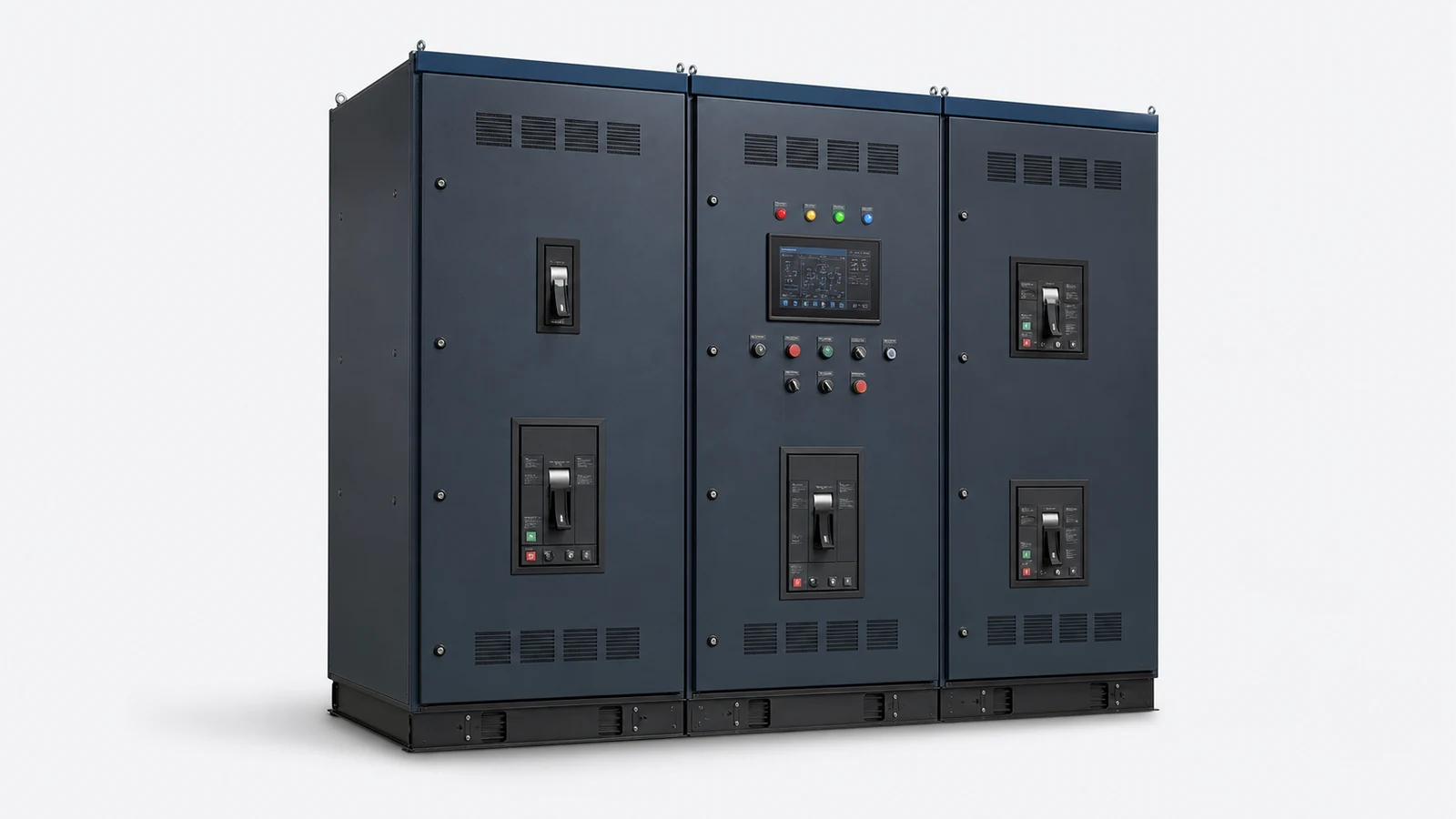
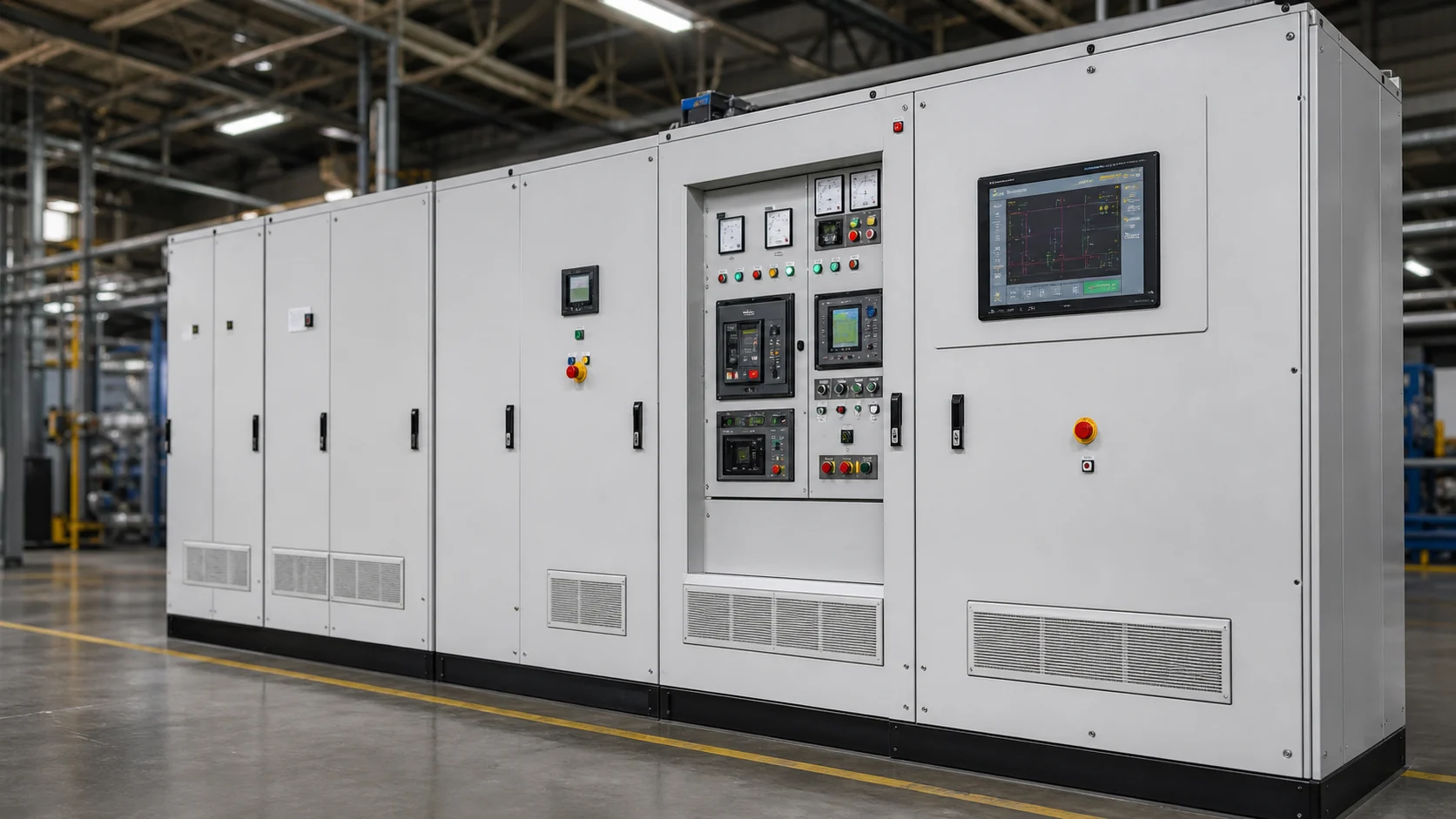
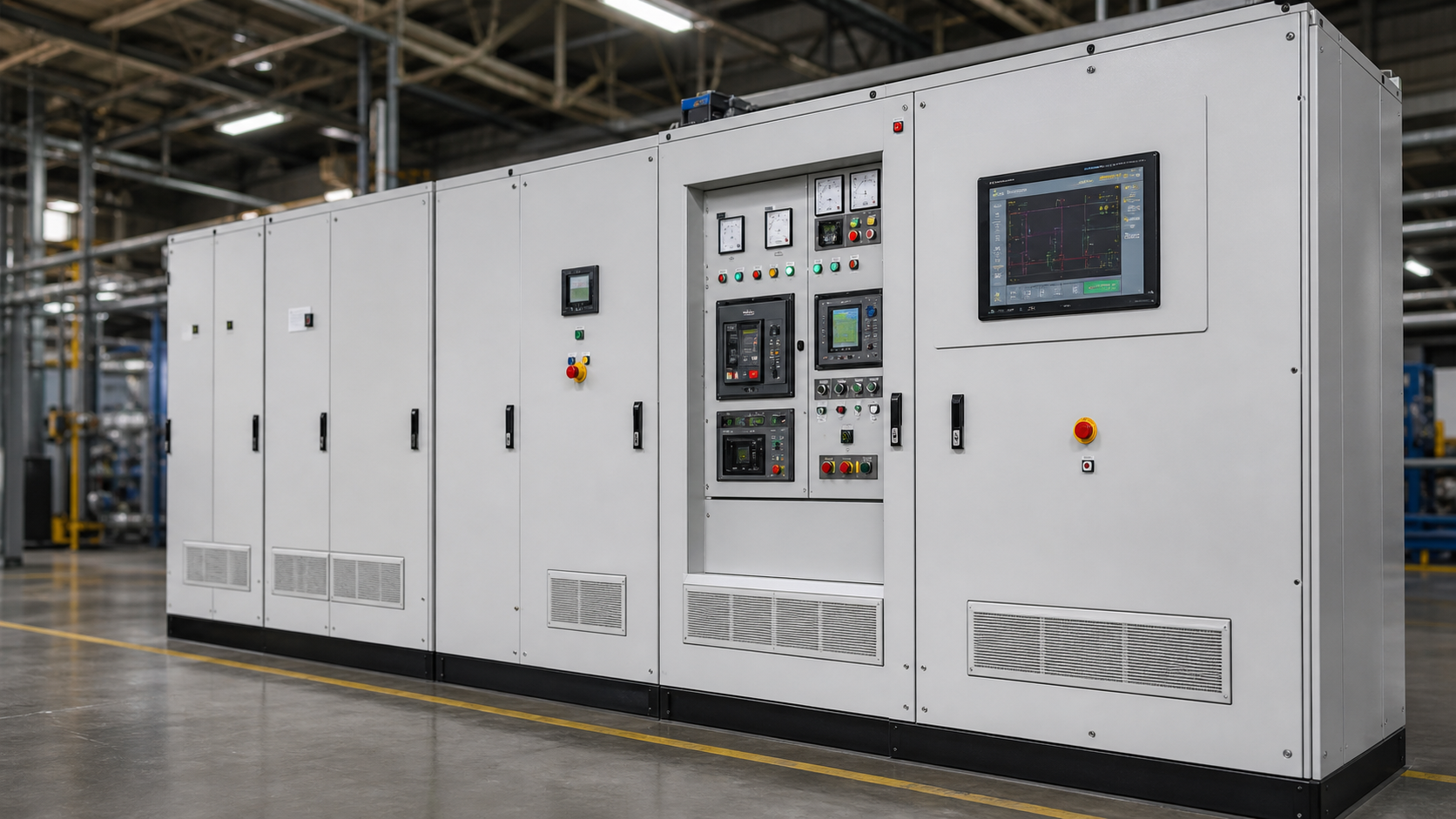
- Automatic Transfer Switch Cabinet A brochure-backed ATS cabinet for automatic two-source transfer with visible isolation positions, interlocking and controlled emergency manual operation.
- Generator Set Parallel Cabinet A brochure-backed multi-generator paralleling cabinet for synchronization, load sharing, staged capacity, resilience and future system expansion.
View 1 more related products
Related solutions 2
Related industries 1
Continue your review
Related Technical Material
- Data Center Power Planning Guide CAMDA-DATA-CENTER-GUIDE
- Diesel Generator Model Sheets CAMDA-DIESEL-MODEL-SHEETS
- Auxiliary Systems & Environmental Engineering Guide CAMDA-AUXILIARY-ENGINEERING-GUIDE
- ATS and Parallel Power System Planning Planning Guide
- Generator Selection: Gas, Diesel and Integrated Systems Product Guide
- Preventive Maintenance Planning Service Guide
About the Author CAMDA Technical Team
Technical Review CAMDA Technical Team